

Hackers took $6.43 billion from Binance on Oct. 29, according to blockchain analytics firm Elliptic. Within about an hour, Tether and Circle, the companies behind the USDT and USDC stablecoins, had frozen most of the stolen dollars. That evening, a council that oversees the Arbitrum network moved the hackers’ ether and ARB, Arbitrum’s token, out of their address without needing their key.
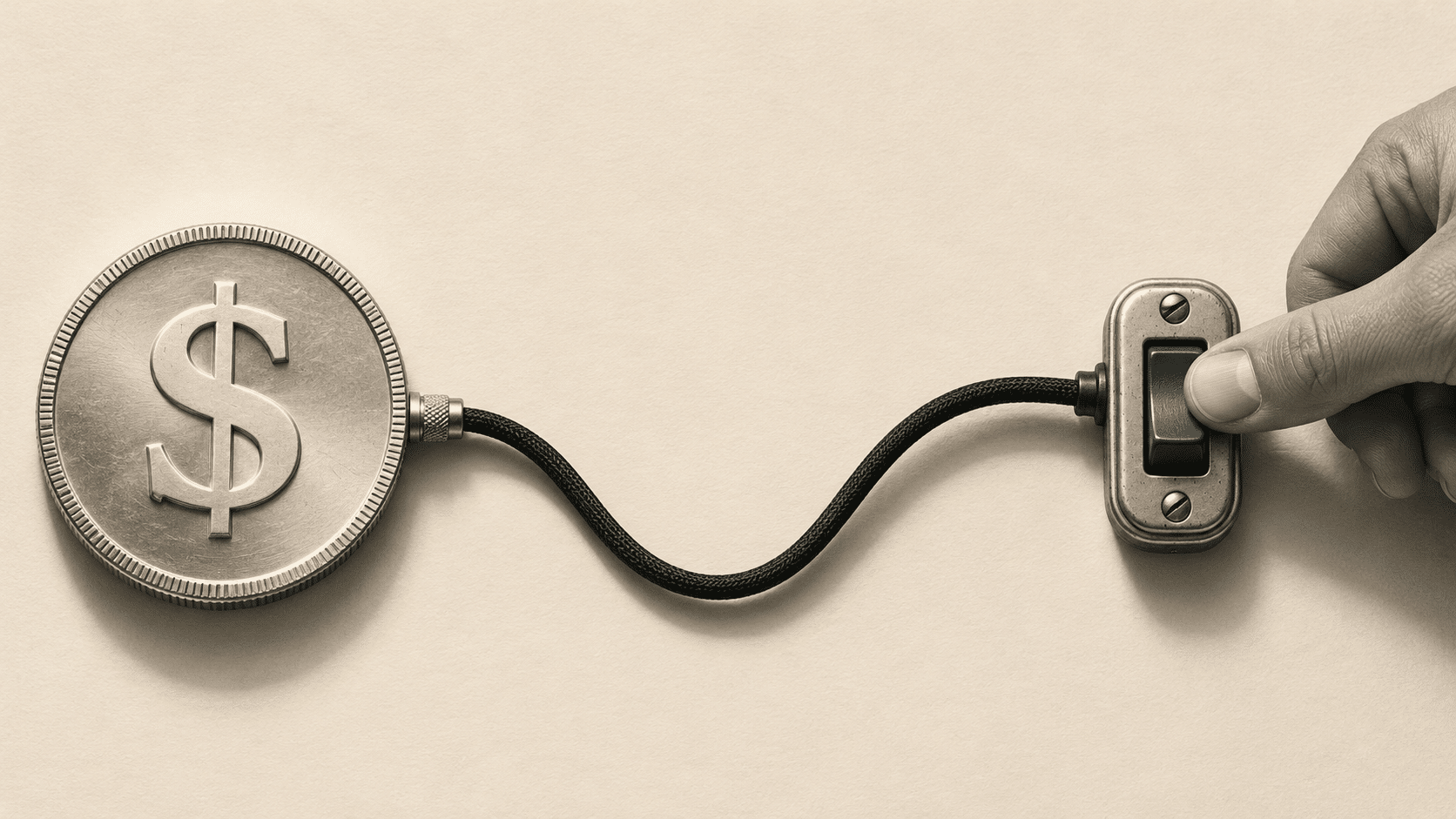
Elliptic says about 44% of the haul is now frozen or seized, against about 3% after the Bybit theft last year. None of the 18,270 stolen bitcoin has been frozen, and neither has the stolen ether on Ethereum itself.Crypto’s founding promise is that only the person holding a coin’s private key can move it. The Binance theft is the latest in a long line of exceptions, following years of Tether and Circle freezes and more recently an Arbitrum council freeze in April. Some believe that freezability has gone from bug to feature for certain tokens. Whether a coin can be frozen depends on who holds a switch over it, whether that is the company that issued it, a council elected by the network’s token holders, or no one. That switch decides whether stolen coins can be stopped and raises the question of when, if ever, anyone other than the key holder should be able to move a coin.
Stablecoins Come With an Issuer’s Switch
Tether and Circle can freeze any address that holds their tokens. Both token contracts have an embedded blacklist that the issuer controls, and an address on it can’t send its USDT or USDC. Tether’s contract also lets the company destroy a blacklisted balance and reissue the tokens, which is how Tether says it has returned about $1.2 billion from past thefts. Circle’s contract has no such function.
Tether froze the Binance hackers’ USDT 37 minutes after it reached their main wallet, Elliptic found, and Circle froze all $823 million in stolen USDC minutes later. Both balances still sit in the hackers’ wallet.
Circle has written that it freezes funds “only when we are legally compelled by an appropriate authority, through lawful process.” In May it added an exception to its freeze policy for urgent law enforcement requests made before a court order, American Banker reported.

Arbitrum’s Council Can Act as Any Address
Arbitrum, an Ethereum layer-2 network, doesn’t have a direct freeze button, but it does have a 12-person Security Council with a broader power. With nine signatures, the council briefly replaced the software that relays transactions into Arbitrum and used it to send two transactions in the hackers’ name, moving 8,425 ETH and 74.6 million ARB to a holding address.
Arbitrum’s constitution lets the council make any upgrade “with no delay in order to respond to a security emergency.” It did the same to the KelpDAO exploiter in April, and releasing that ether took until June 15 (freezing the Arbitrum-based assets there was a controversial move, but the delay was largely held up by a legal process: families holding court judgments against North Korea served a restraining notice, and a federal court had to clear the transfer before token holders voted it to Aave).
Robinhood Chain, launched using Arbitrum’s tech stack in July and now holding about $2.24 billion, gives a similar freeze power to a Robinhood wallet needing seven of eight signatures and no waiting period, according to L2BEAT, a site that rates these networks’ safeguards. And 79 of the 83 layer-2 networks L2BEAT tracks give users no window to withdraw before an upgrade takes effect.
In the rest of the issue, subscribers get:
-
- Why no one could freeze the stolen bitcoin, and the times a whole network chose to undo a transaction
- When, if ever, a freeze is appropriate, and who should get to decide
- How US rules are pushing stablecoins toward more freeze power, and the dates that decide it
- What the freezes mean for ARB, RUNE, Robinhood and Circle, with price ranges for ARB and RUNE
Already a subscriber? Keep reading.

Grab the limited-time offer!
Subscribe to read the rest.
Get a 2-week free trial
Renews at $25/month
UpgradeWhy serious investors subscribe:
-
Clear thinking during macro regime changes
-
Fewer trades, better decisions
-
Avoiding one bad allocation often matters more than finding one great trade