
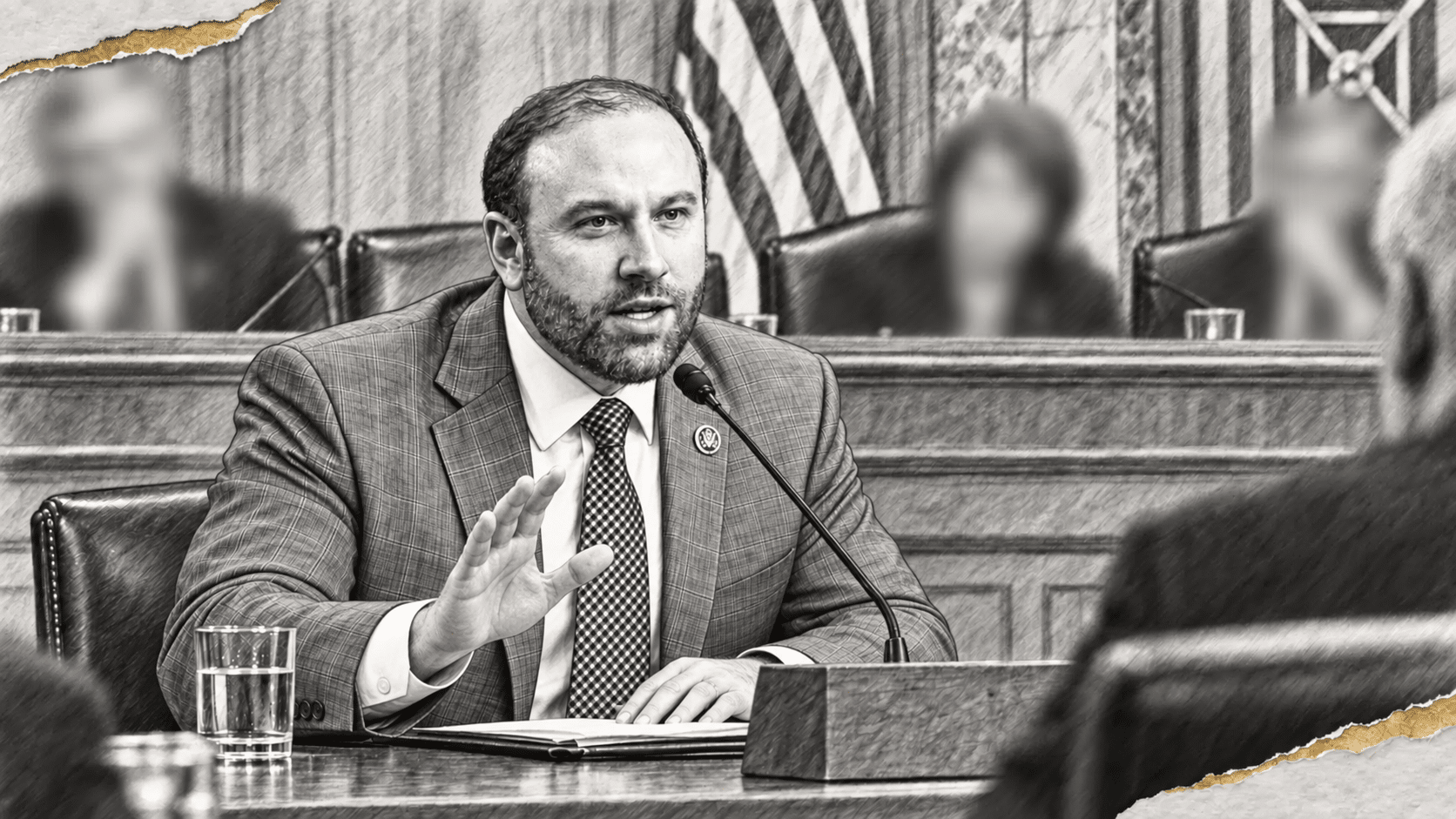

The House Ways and Means Committee approved the Digital Asset Tax Certainty Act 38-5 on Wednesday, sending the full House a bill that would apply wash-sale rules to crypto sold after Sept. 14, the day it was introduced.
Wash-Sale Rule Starts Sept. 14
If the bill becomes law, a loss on a traded digital asset, other than a qualified U.S. dollar stablecoin, sold after Sept. 14 would be disallowed if the seller buys the same or a substantially identical asset within 30 days before or after the sale. The introduced text applies the change to dispositions after its introduction date, and Smith’s substitute amendment writes that date out as Sept. 14, 2026.
Chairman Jason Smith (R-Mo.) said in a statement after the vote that the legislation “would be the first-ever federal law to address the substantive tax treatment of cryptocurrencies” and other digital assets.
In a preliminary estimate of the bill as introduced, the Joint Committee on Taxation found that extending wash-sale rules would raise $1.707 billion over 10 years, and new rules for digital asset dealers and traders another $2.332 billion. The $10 fee exemption, which from 2028 would spare crypto spent on a network or trading fee of up to $10 from gain or loss calculations, would cost $2.365 billion. Over the 10-year budget window, the bill would raise $500 million on net, a total that absorbs a $1.997 billion cost for reinstating prior rules on deducting gambling losses, a separate measure bundled into the package. The digital asset provisions alone would raise about $2.5 billion.
A Day After the Senate Stall
The committee vote came a day after the Clarity Act, the market structure bill the industry has prioritized, stalled in a Senate procedural vote. Rep. Lloyd Doggett (D-Texas), who criticized the tax bill, said the committee “remains the only place in Congress that’s rushing to provide favors to this industry.”
The House is set to leave Washington later this week and return after the November elections. Alison Mangiero, chief strategy officer at the Crypto Council for Innovation, said she expects the bill to be taken up in the lame-duck period.
Staking Timing Left Open
Under the bill, mining and staking rewards count as ordinary income, and Section 401 sets where that income is sourced; nothing in it says when the rewards are taxed. The text released Monday has no provision letting miners and stakers postpone that tax.
“This bill is not as comprehensive as I would have liked, but I continue to believe that Congress needs to address when mining and staking rewards are recognized as income,” Rep. Steven Horsford (D-Nev.) said.
Related Listen: The Chopping Block: Crypto Clarity Act Drama + Stablecoin Yield Wars + Developer Liability Fights