
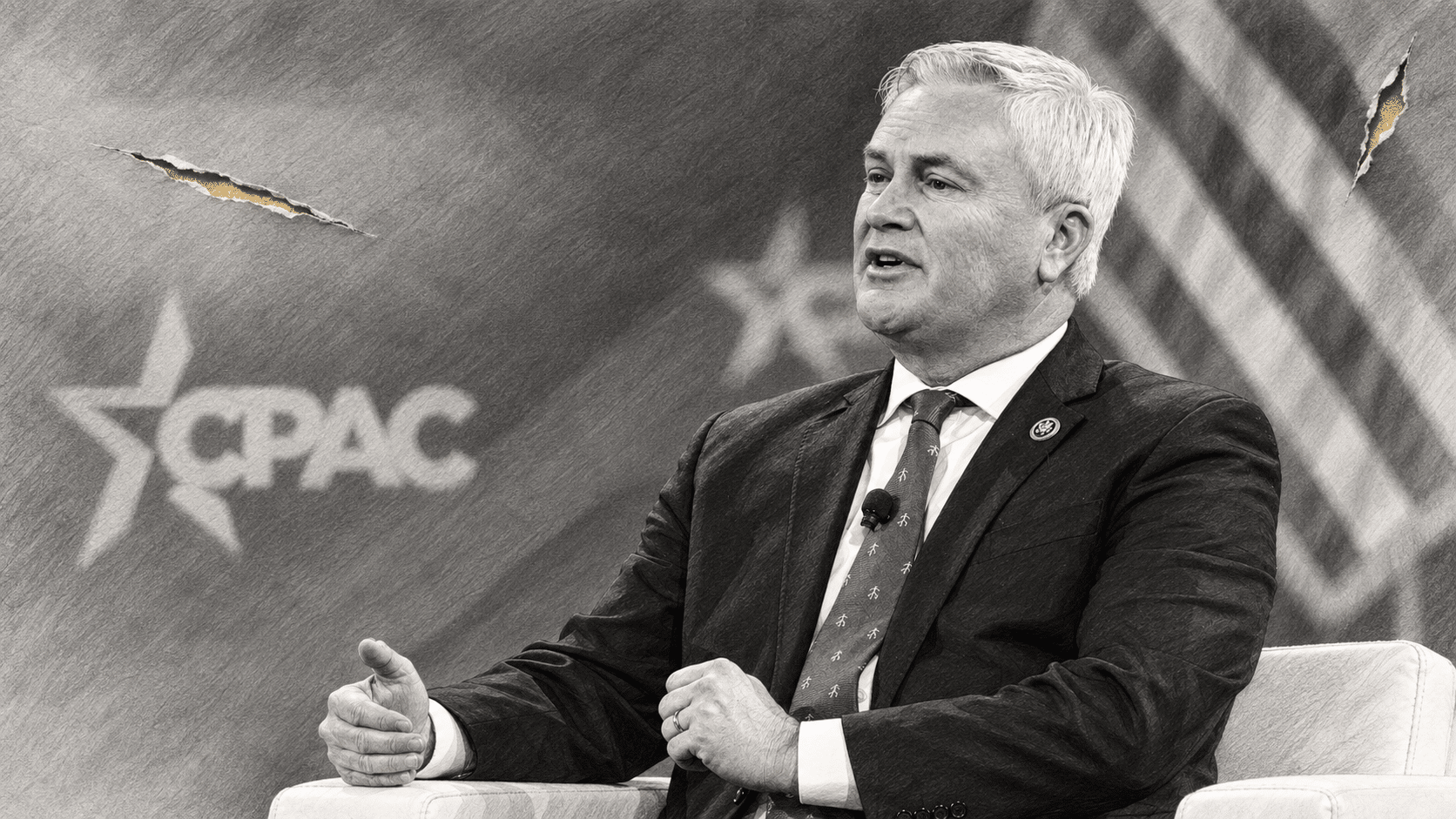

House Oversight Committee Chairman James Comer (R-Ky.) widened his investigation into insider trading on prediction markets on Tuesday, sending document requests to Hyperliquid Labs, Crypto.com and Aristotle Exchange Inc., the company that owns PredictIt, according to CNBC.
Comer, in letters addressed to each company’s CEO, asked how the platforms verify who their users are and what systems they have to catch and report trades that may rest on nonpublic information, CNBC reported Tuesday.
“As online prediction platforms grow and become more mainstream, some bad actors have exploited the platforms to make thousands of dollars by placing bets based on nonpublic information,” Comer reportedly said in a statement. “The House Oversight Committee is investigating whether these platforms are fulfilling their legal obligations and doing enough to identify and prevent insider trading before it happens.”
Get Unchained’s crypto news in your inbox with the free Unchained Daily newsletter.
The Hyperliquid Trade
In his letter to Hyperliquid CEO Jeff Yan, Comer cited reports of “a substantial leveraged short position on the … platform within minutes of a presidential announcement concerning a U.S. tariff policy in October 2025 that was not publicly known at the time the position was established.”
Comer called the trade “precisely timed to a nonpublic government decision,” and wrote that it happened “on a platform with apparently no identity verification or mechanism to refer the responsible party to U.S. law enforcement.”
On Oct. 10, 2025, a trader who shorted the market on Hyperliquid made about $192 million after President Donald Trump announced 100% tariffs on Chinese imports, setting off speculation about advance knowledge. Former BitForex CEO Garrett Jin, whom a pseudonymous onchain sleuth linked to that position, denied any ties to Trump or insider trading.
Hyperliquid launched its own event contracts in May through its HIP-4 upgrade, and later that month extended them to offchain events such as inflation data and Federal Reserve decisions.
Kalshi and Polymarket Inquiry Continues
Comer opened the probe on May 22 with letters to Kalshi and Polymarket, pointing to a New York Times investigation that found more than 80 Polymarket users had placed suspiciously timed bets, including wagers hours before U.S. and Israeli strikes on Iran. Both companies pushed back at the time.
The Kalshi and Polymarket inquiries are still active. So far, the two companies have provided the committee with nearly 1,000 documents and five briefings, a committee spokesperson told CNBC.
Related Listen: DEX in the City: Why Prediction Market ‘Insider Trading’ Isn’t Illegal — Yet