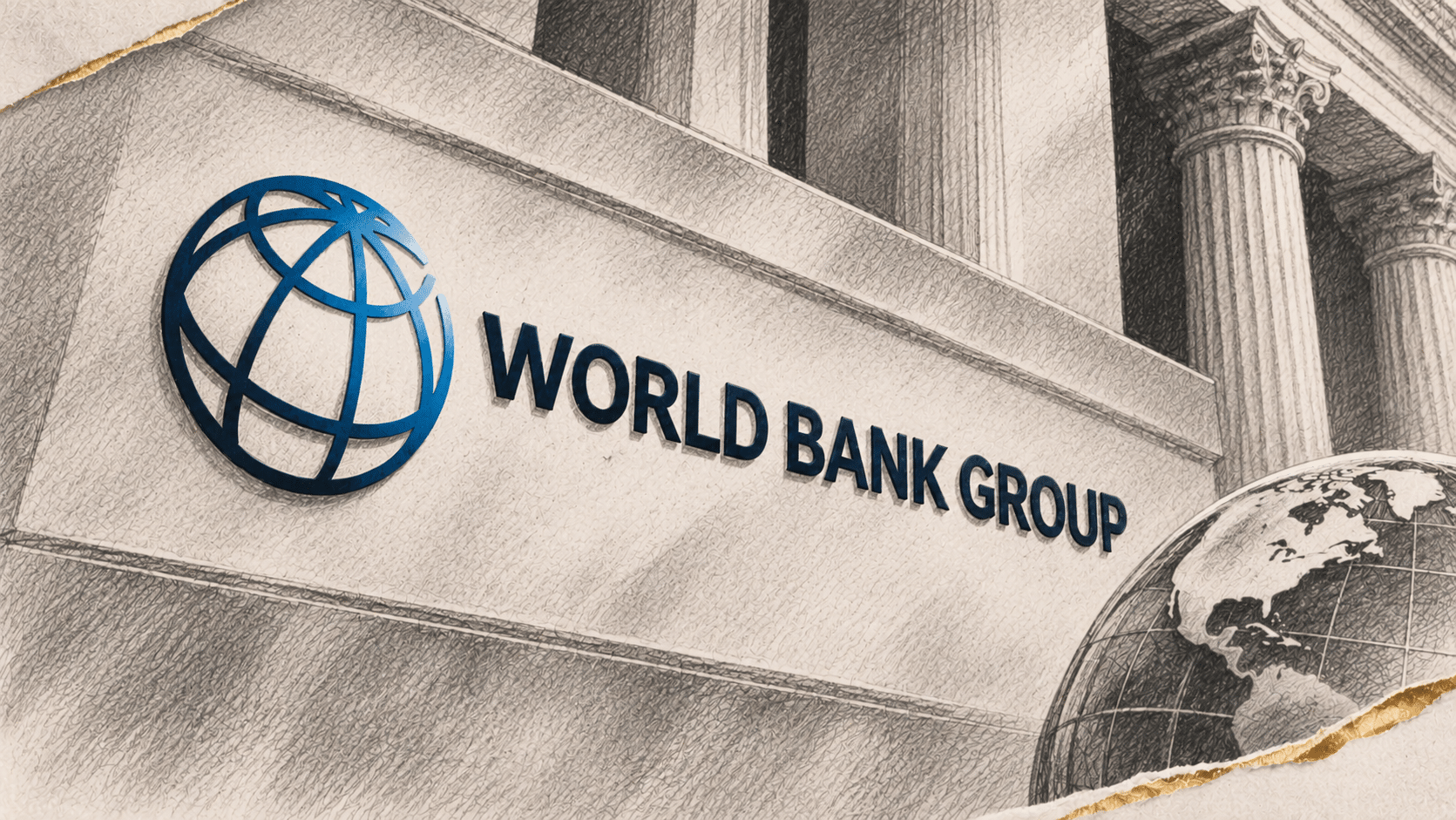

The World Bank Group will look at whether regulated U.S. dollar stablecoins could carry some of the money it sends to development projects, working with Citi and Circle, the company behind the USDC stablecoin, the group announced on Nov. 17.
Nothing is being built yet. The release commits only to explore the technology and sets no timeline, transaction volume or list of participating countries.
Get Unchained’s crypto news in your inbox with the free Unchained Daily newsletter.
How the Setup Would Work
The group now pays out project funds through correspondent banking, the chain of intermediary banks that relays cross-border transfers. The study will test whether dollar stablecoins and blockchain payment rails could run beside that system or improve on it. Citi would contribute its existing links to traditional banking rails, while Circle’s payments infrastructure would mint and settle the funds in USDC, its U.S. dollar stablecoin.
The group tied the move to tight budgets across development lenders, saying small efficiency gains repeated at scale could free up money for projects. World Bank Group President Ajay Banga said in the release that moving money more quickly and at lower cost means “a health clinic gets built on time, a farmer gets paid before the harvest season ends, and a government can be more responsive to pressing needs.”
The work extends FundsChain, the World Bank’s ledger system for tracing project disbursements, which lets every party see how money is spent. More than 350 projects in 96 countries use it, according to the release.
Starting Where Crypto Is Allowed
The first phase will use an intermediated, interoperable payment model, meaning transfers run through intermediaries and the system is meant to work with other payment networks. It will engage borrower countries where digital assets are supported and permitted. The group said it may add other banks later.
Circle CEO Jeremy Allaire said in the release that faster money should reach those who need it, “with full visibility into where every dollar goes.” Citi Head of Services Shahmir Khaliq said in the same release that the bank, whose network connects clients across more than 180 jurisdictions, aims at “24/7 capabilities at scale so that critical funds move in real time.”
Our Read
The release calls the model “intermediated” and says the first phase will engage borrower countries where digital assets are supported and permitted. That ties how far the program can reach to the crypto rules of each borrower country, and the release does not say which countries qualify today.
Related Listen: How Venezuela Shows Why Bitcoin, Crypto and Stablecoins Help Everyday People